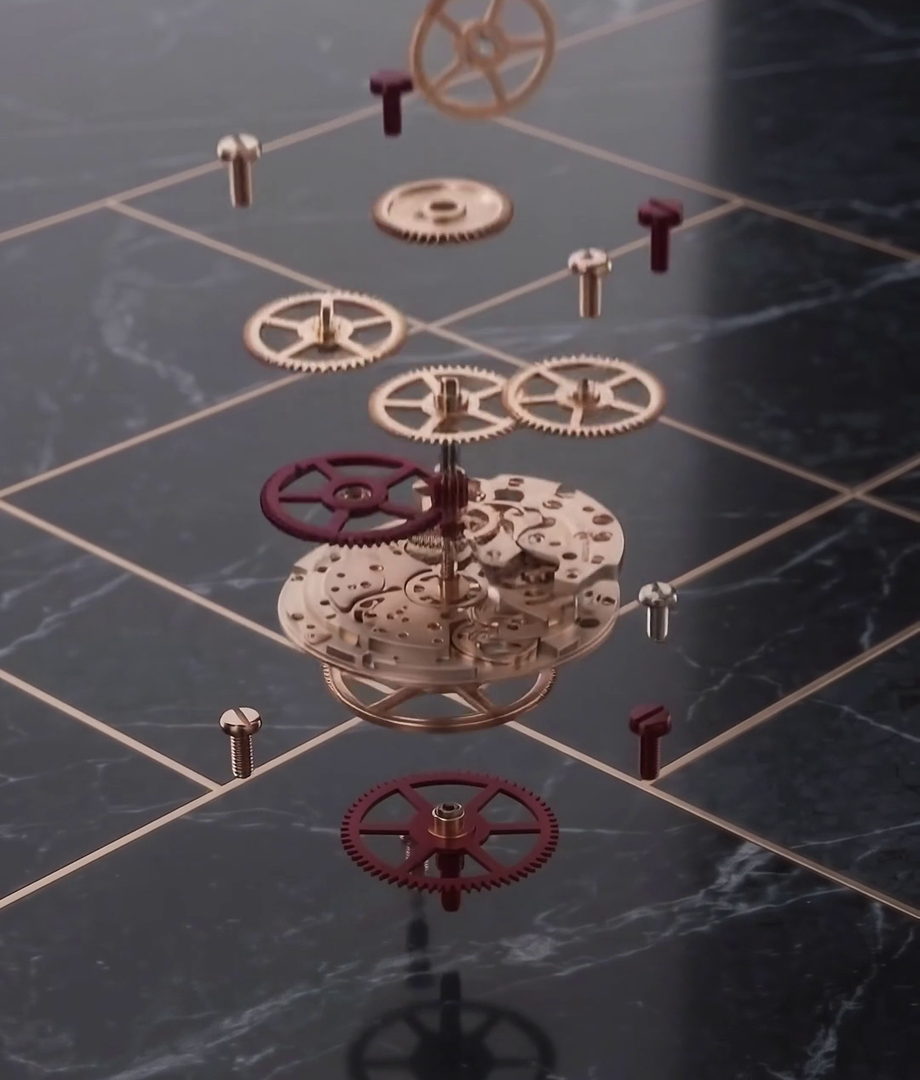
Workshop · 6 min read
Why a skeleton dial is harder to finish
Open working a movement removes metal, and every edge it creates has to be chamfered by hand. We counted the hours.
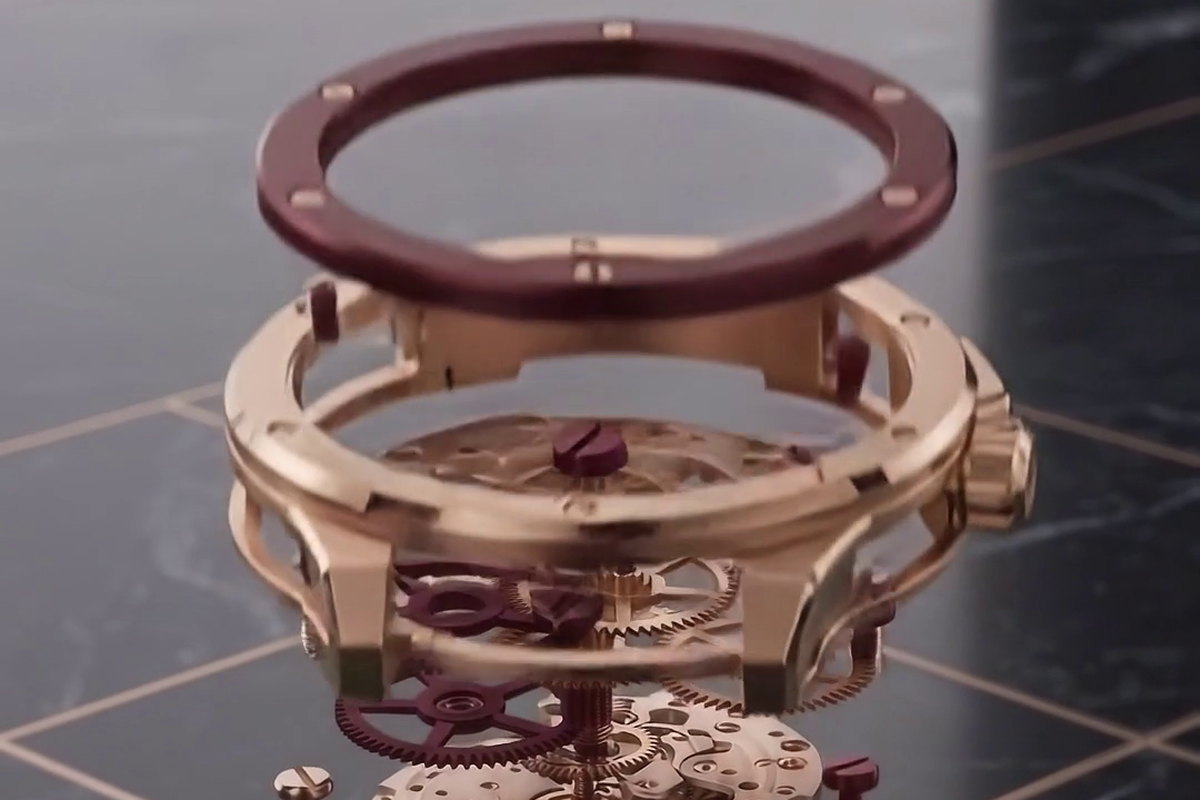
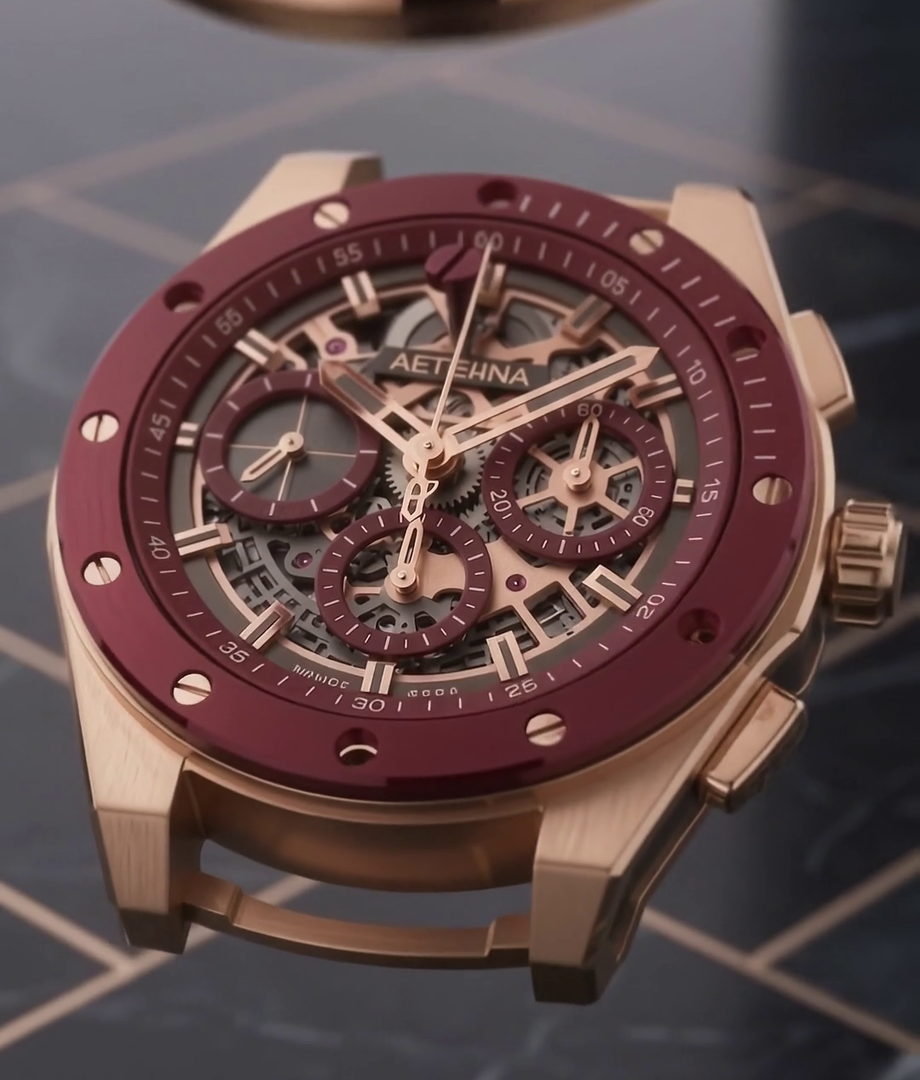
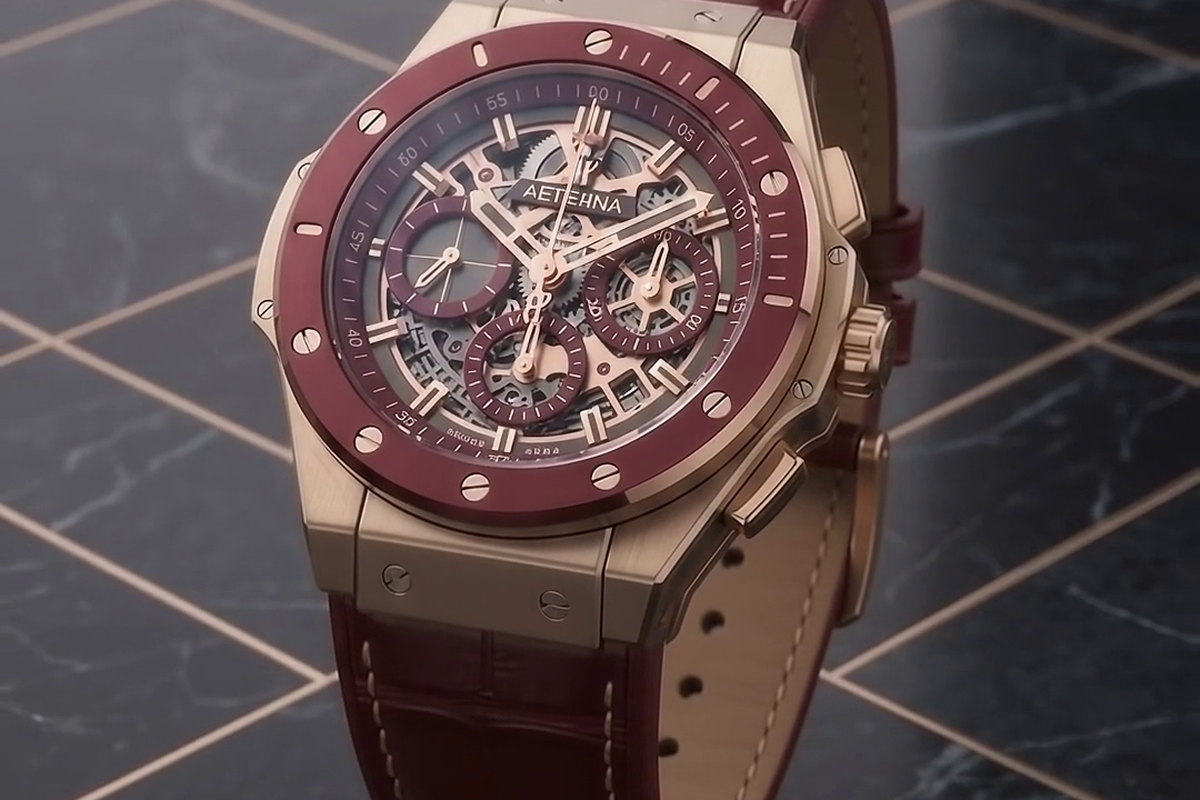
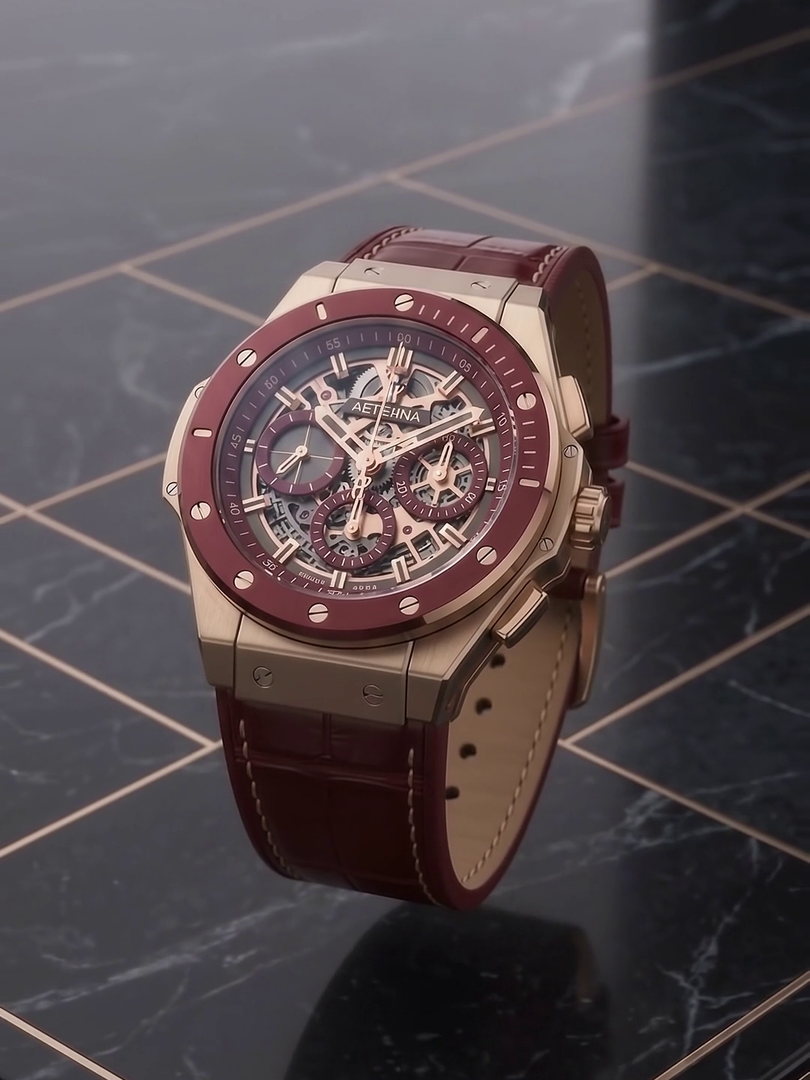
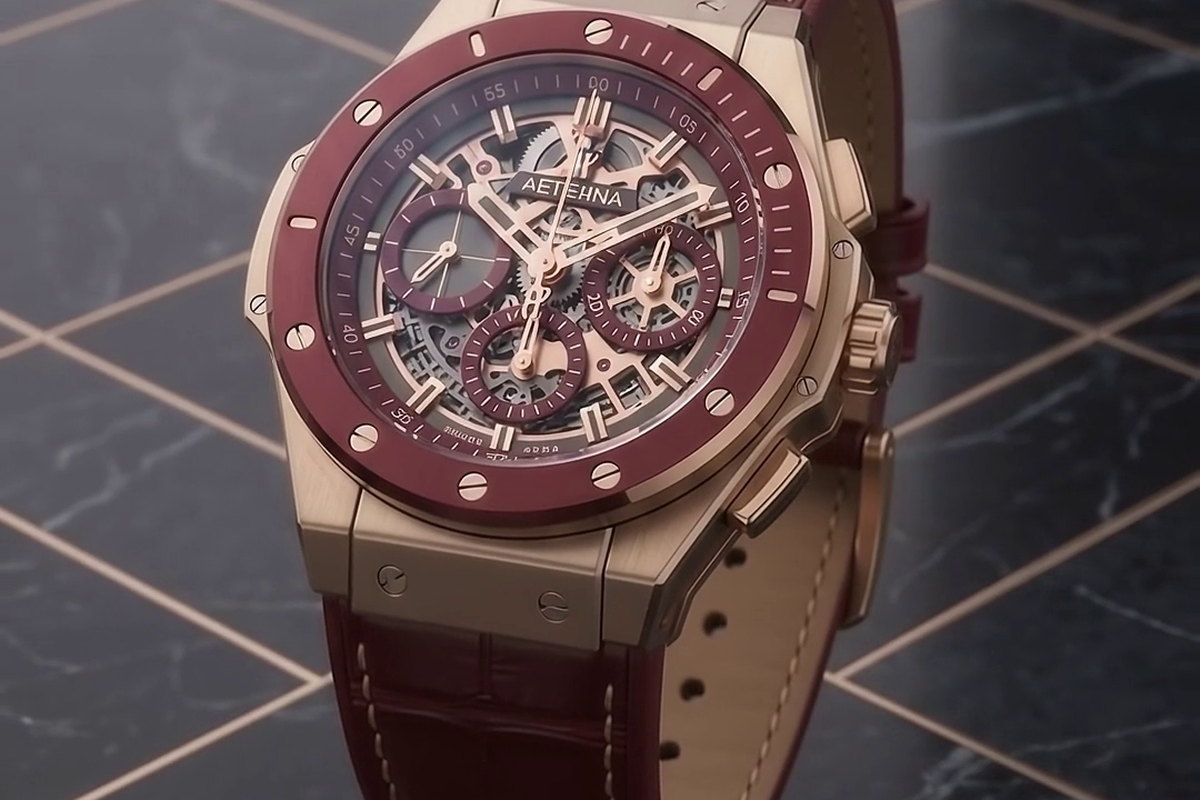
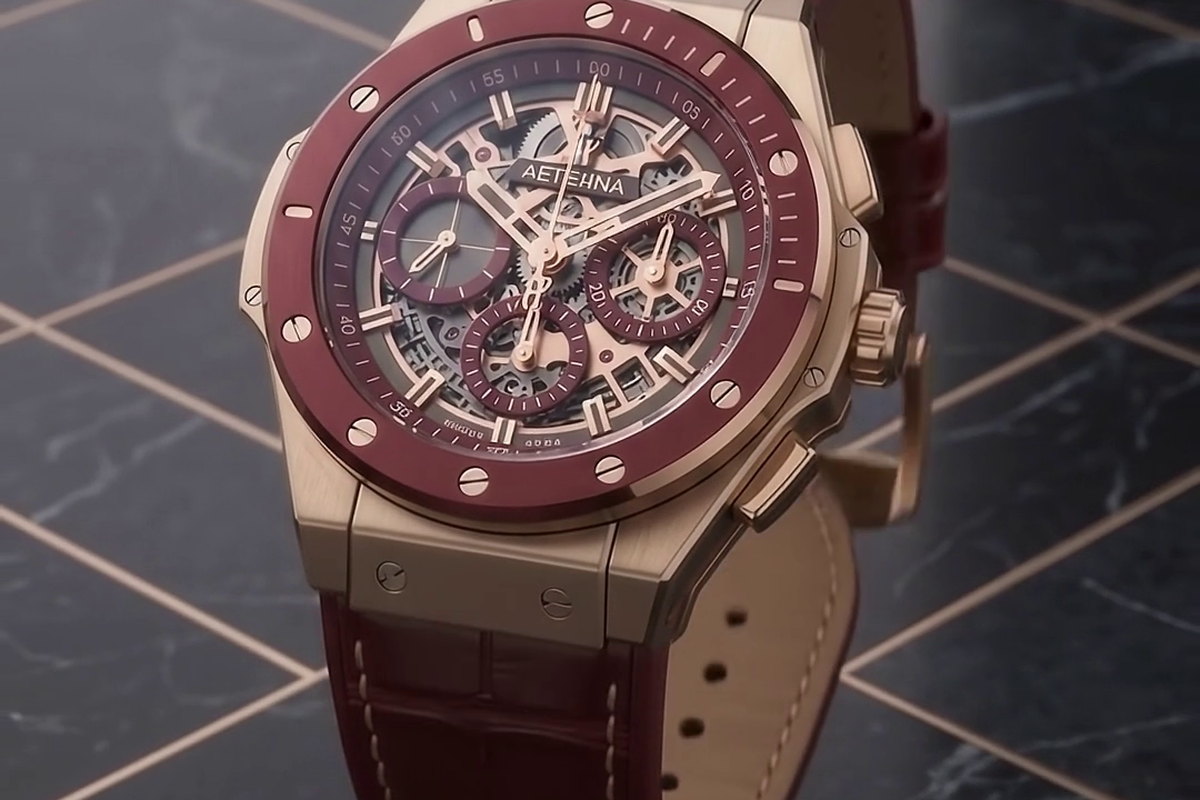
A solid dial is a lid. It sits over the movement at a fixed height, it hides the going train, and it hides whatever the going train happens to look like. Ours does not. That one decision, taken on paper in 1998 and never revisited, is why a Chronographe 312 spends thirty-one hours in finishing when a closed watch of the same size would spend about nine.
What open working takes away
Begin with an ordinary dial. One disc of brass, stamped flat, plated, printed, fitted on three feet. It has a face you read and a rim you never study. Two edges, and one of them is under the bezel.
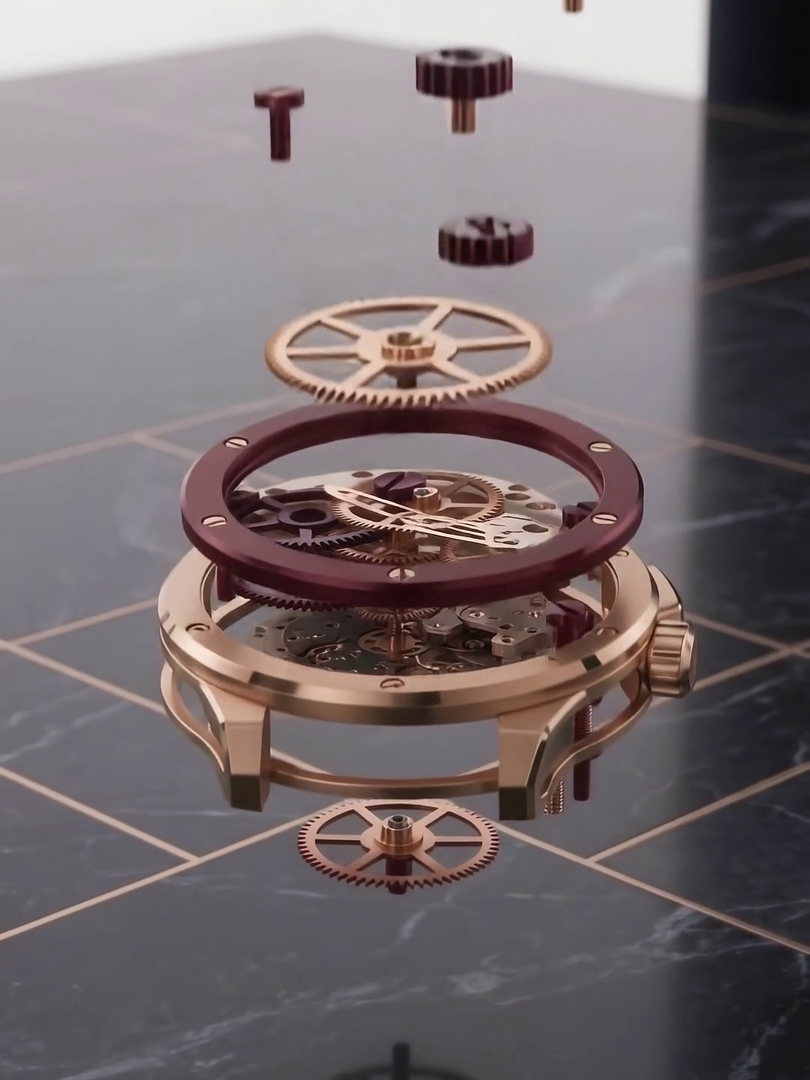
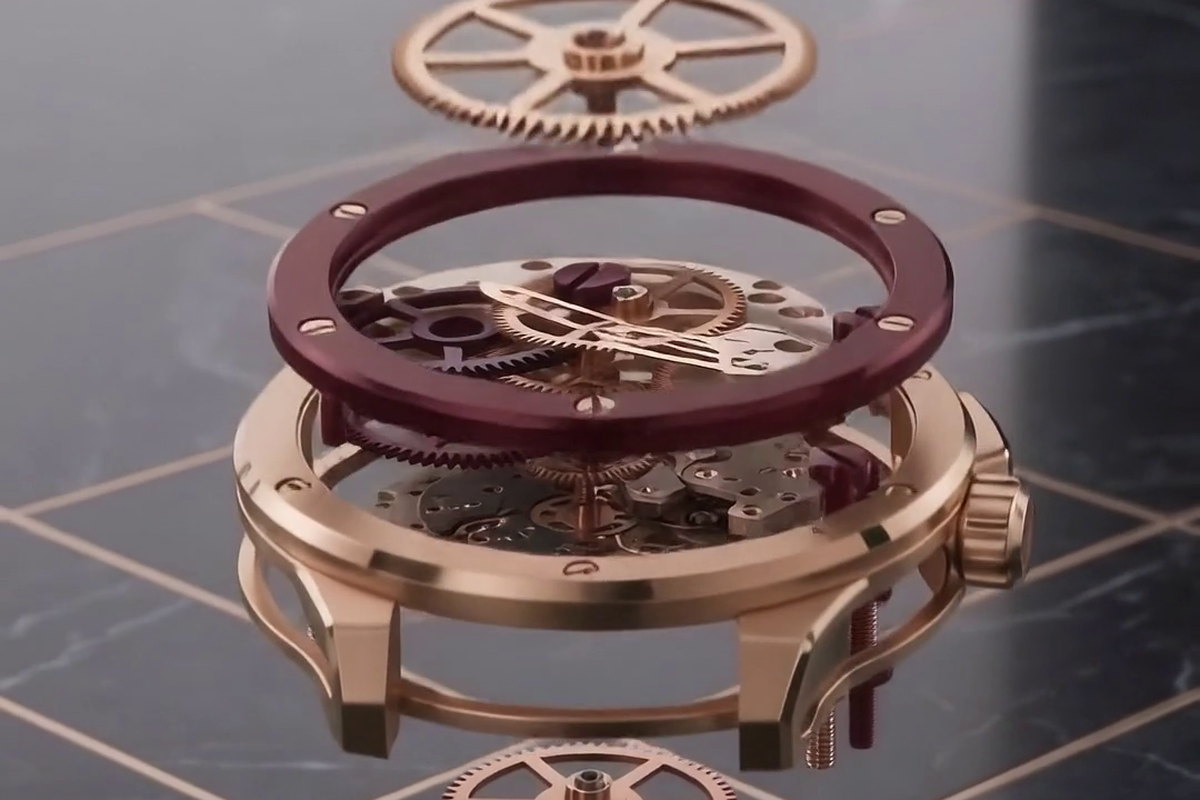
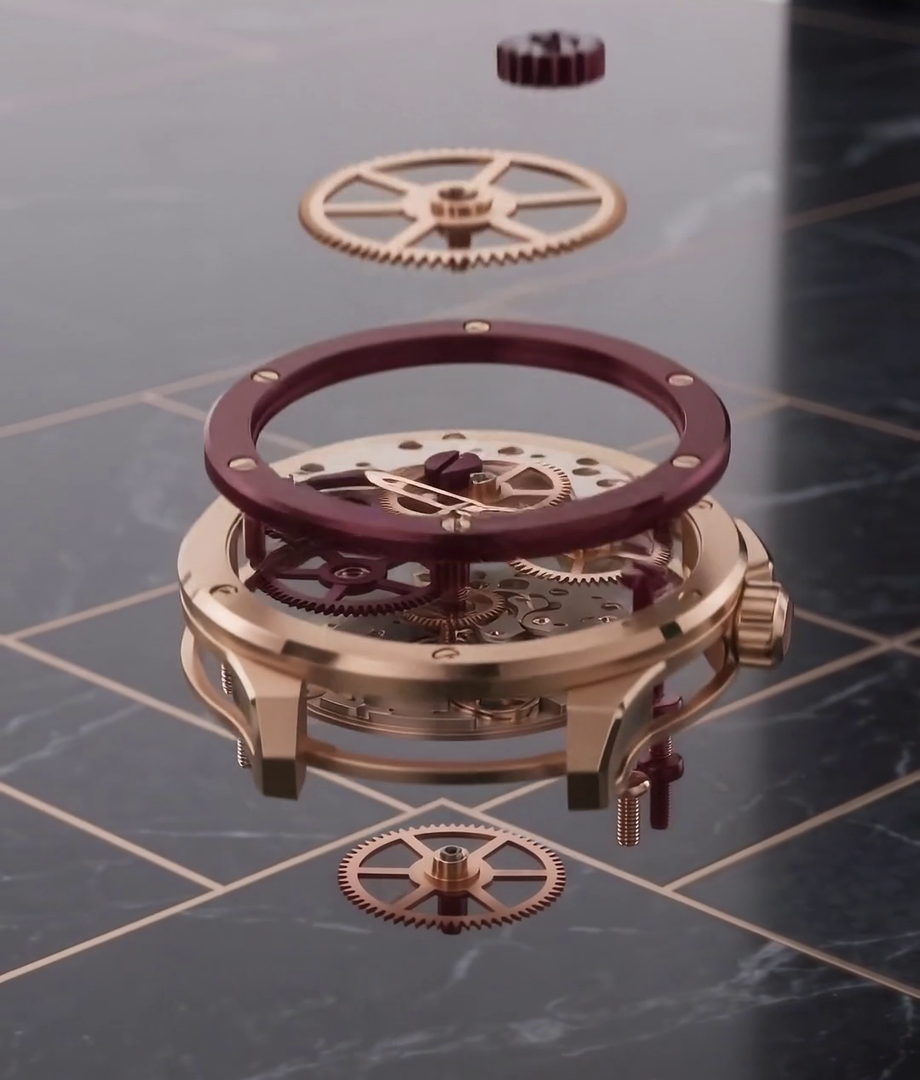
The 312 dial leaves the mill with fourteen openings in it. Counting the outer rim, the flange and the three counter apertures, that disc now carries ninety-six edges. Below it the bridges are open worked to the same drawing, which adds another hundred and eighteen. Two hundred and fourteen edges on a watch where the closed version had two.
An edge is not a by-product. It is a surface, it catches light, and left as the cutter left it, it catches light like a saw blade.
An anglage is forty-five degrees and a decision
Every one of those edges is chamfered at forty-five degrees, filed by hand, then burnished with a boxwood stick and diamantine until it holds a straight line of reflection. On a long run the file does the work in under a minute. The cost is in the corners.
A rotating tool has a radius. Where two edges meet at an angle tighter than that radius, the tool leaves a curve, and a curve in an inside corner is the clearest sign that nobody's hand was on the part. A file leaves a point. There are eleven interior angles on the chronograph bridge alone, and each one takes a watchmaker between eighteen and forty minutes, under a microscope, with a file that costs less than lunch.
A machine can cut a chamfer. It cannot cut a corner. That is the whole argument, and it costs us thirty-one hours a watch.
Where the hours go
Averaged across the last forty movements through the workshop:
- Bridges and the chronograph cock, 19 hours 10
- Dial flange, the fourteen openings and the chapter ring, 5 hours 40
- Wheels, levers and the column wheel, 4 hours 20
- Screw heads, their slots and their countersinks, 1 hour 50
The four of us do not work at the same speed and the totals move by an hour either way. King gold runs longest, because a gilded movement returns more light than a rhodium one and shows every hesitation in the stroke. That is most of the reason the lead time on a king gold piece is seven months rather than five.
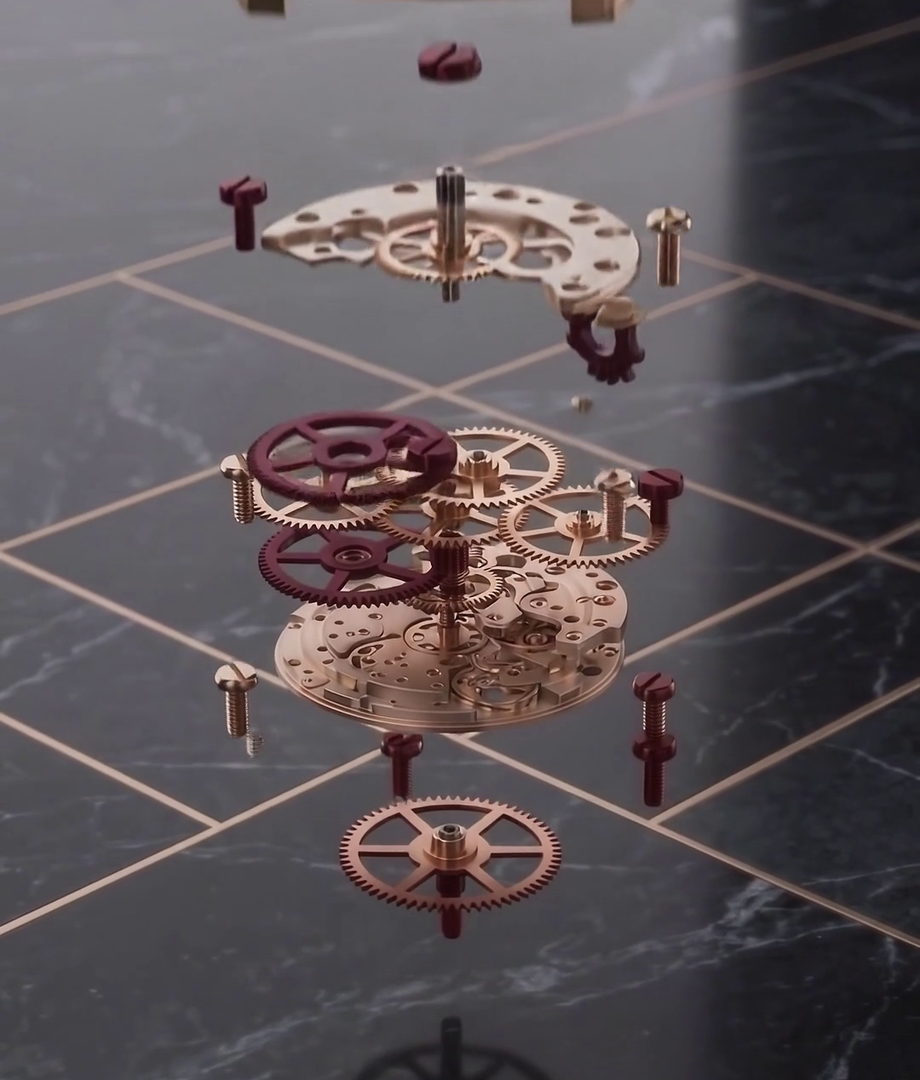
What we throw away
About one bridge in nine does not survive finishing. A file that skips takes a hundredth of a millimetre off a flat and there is no putting it back, so the part goes into a drawer and the watchmaker starts again on a new blank three days later, which is how long the plating takes.
We say this out loud because the alternative is to let people believe that hand finishing is a slow, safe process. It is a slow process with a failure rate. That failure rate is most of the reason a titanium reference costs $18,500 rather than half that, and all of the reason we will not quote you four months.
Where you can see it
On Frost most of all. A white dial leaves the movement nowhere to hide: every bridge edge, every screw slot and every jewel setting is on show at arm's length, in daylight, to anybody who asks you the time. It is the reference our own watchmakers wear, which is either confidence or vanity depending on the day.
Sovereign is the harder test. Its movement is gilded rather than rhodium plated, so the chamfers read gold on gold and a soft corner has no contrast to hide behind.
If you would rather watch this than read about it, the film on the craftsmanship page holds on the chronograph bridge for eleven seconds, which is long enough to count the corners yourself.
The collection