Renée Tschumi
Bench one · 41 years
Owns the escapement. Poises every balance by hand, sets the beat, and runs the six-day timing in six positions that decides whether a movement is cased or goes back on the bench.
The house
Registered in Geneva in March 1948, working from the same first floor on Rue de Carouge ever since. Four benches, four watchmakers, one movement, and no second workshop.
The house in four numbers
The story
Fifty years of other people’s movements, then one of our own. That order matters, and it is the reason the Calibre 312 is shaped the way it is.
Aeterna was registered in Geneva on 4 March 1948 by two watchmakers who had spent the previous decade servicing other houses’ chronographs. They took the first floor of Rue de Carouge 14, set four benches along the window wall, and kept the servicing trade running for eleven more years before they sold a watch with their own name on the dial.
The address has not changed since. Neither has the floor. In 1963 the building’s owner offered us the floor above and we said no. The offer has come back three times and the answer has not moved. A second room means a second standard, and then somebody has to decide which of the two is the real one. Four benches is what fits along that window. Four benches is what we have.
For the first fifty years most of the money came from other people’s movements. That is not a modest origin story, it is the reason the Calibre 312 looks the way it does. Fifty years of service work teaches you which parts fail, which parts cannot be reached with the movement still in its case, and which clever idea is going to cost an owner four hundred francs in 2041.
The Calibre 312 was drawn in 1998 by the four people who still build it. The first sheet carried 344 parts. It ran, and it was heavier and harder to service than several of the movements we were being paid to repair.
Eleven revisions followed over fourteen years, and every one of them took something out. Revision three removed the sliding gear and put the chronograph on a column wheel, which cost more to make and removed two ways for the watch to fail. Revision six removed the second barrel: one mainspring now, wound by hand, still holding seventy-two hours. Revision nine replaced two bridges with one, which is why the dial side reads as a single drawing instead of a stack of plates. Revision eleven, in 2012, removed a screw.
That left 312 parts and 37 jewels. Nothing has been added to the calibre since, and nothing is going to be.
By 2016 we had a finished movement and no decision about how many to make. The argument took most of that year. An open-ended line meant hiring, hiring meant a fifth bench, and a fifth bench meant the floor above.
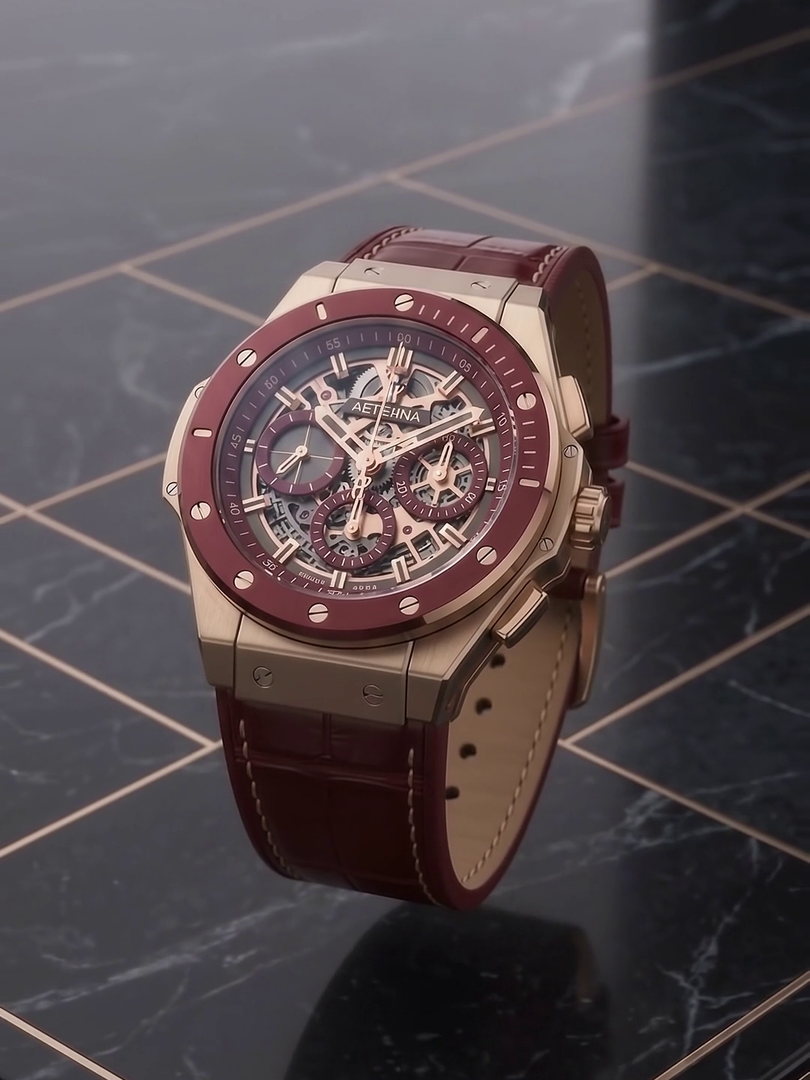
So we used the part count as the edition. Three hundred and twelve parts, three hundred and twelve pieces, across twelve references: nine in titanium at twenty-six each, two in rose gold at thirty-four each, and ten in king gold. When the three hundred and twelfth watch is cased, the tooling comes off the line and the Chronographe 312 is finished.
A limit costs money. We have turned away orders we could have filled and we will turn away more. We cannot tell you what one of these watches will be worth in twenty years, and anyone who tells you is guessing. What we can tell you is the number, that it will not move, and that you can check it yourself: the register is published, and it has 312 rows.
Today four people build the watches and two more answer the telephone, pack the boxes and keep the register. That is the whole company. If you write to us, one of six people reads it. If you visit, one of the four will put a loupe in your hand and show you the part they are worried about that week.
Record
Nothing here is a milestone invented afterwards. These are entries from a paper book that has been kept in the same cupboard since 1948, and two of them are arguments that took a year.
1948
Two watchmakers take the first floor of Rue de Carouge 14 on 4 March and set four benches along the window wall. The trade is servicing other houses’ chronographs, and it stays the trade for fifty years.
1959
A hand-wound two-register chronograph, 38 mm, forty-one made and sold through Geneva jewellers. Nine are known to survive. We have bought four of them back and they sit in a drawer at bench one.
1963
The building’s owner offers us the floor above. We say no. The offer has come back three times since and the answer has not changed once.
1998
A skeleton chronograph on a single barrel, 344 parts on the first sheet, drawn by the four people who still build it. It runs, and it is harder to service than several of the movements we are being paid to repair.
2012
The eleventh revision removes a screw and the drawing is closed. 312 parts, 37 jewels, seventy-two hours. Fourteen years of revisions, and not one of them added anything.
2016
After most of a year of arguing, the part count becomes the edition: 312 pieces across twelve references, nine cases in titanium, two in rose gold, one in king gold.
2022
Cased, timed for six days in six positions, and delivered. Five months from order to door, which is what the owner had been told it would be. The register goes online the following spring.
2026
Ninety-five of the 312 are still unallocated. Garnet, the last reference to open, took four years and three dials that read as brown at arm’s length.
Four benches
They drew the Calibre 312 together in 1998 and they have assembled every one since. Each owns one part of the process outright and signs for it. None of the four has retired yet. When one does, the person who replaces them spends two years at the next bench before they touch a movement.
Bench one · 41 years
Owns the escapement. Poises every balance by hand, sets the beat, and runs the six-day timing in six positions that decides whether a movement is cased or goes back on the bench.
Bench two · 33 years
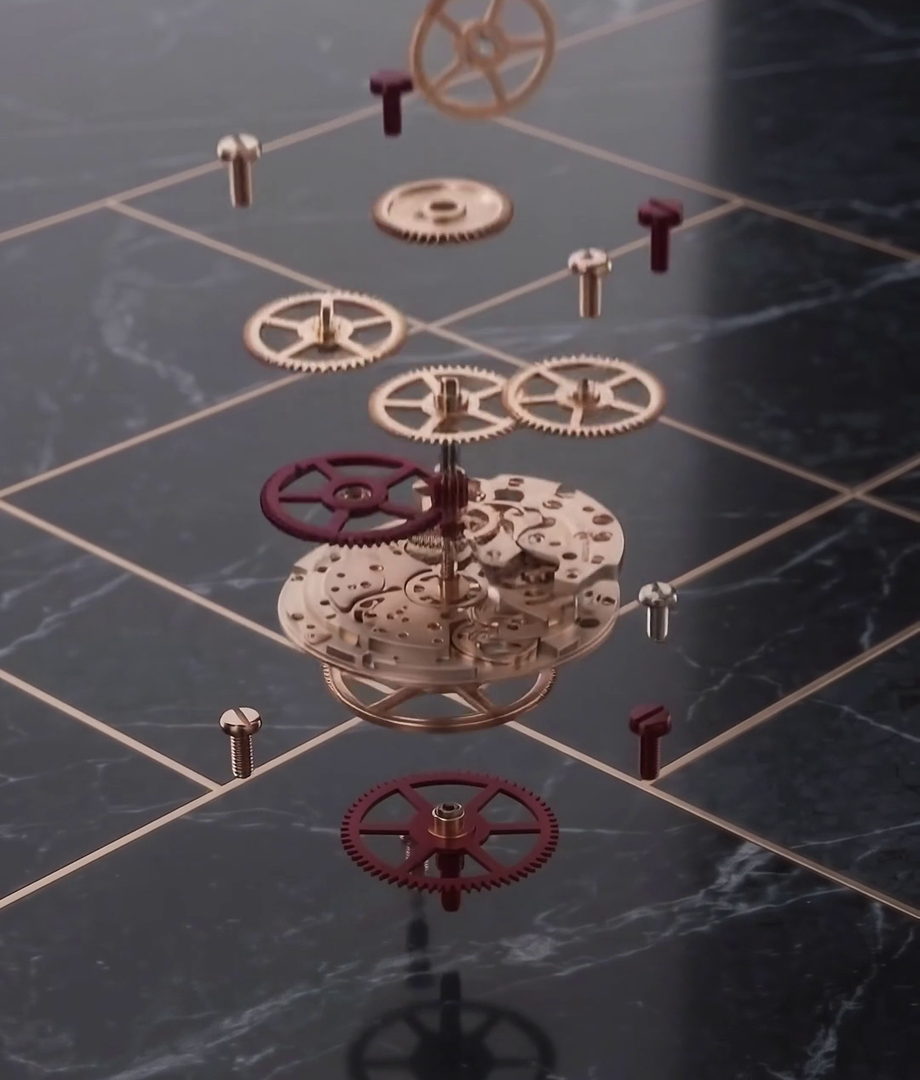
Owns the chronograph. Column wheel, coupling clutch, reset hammers, and the weight of the two pushers under your thumb, which she sets by hand and refuses to specify in grams.
Bench three · 31 years
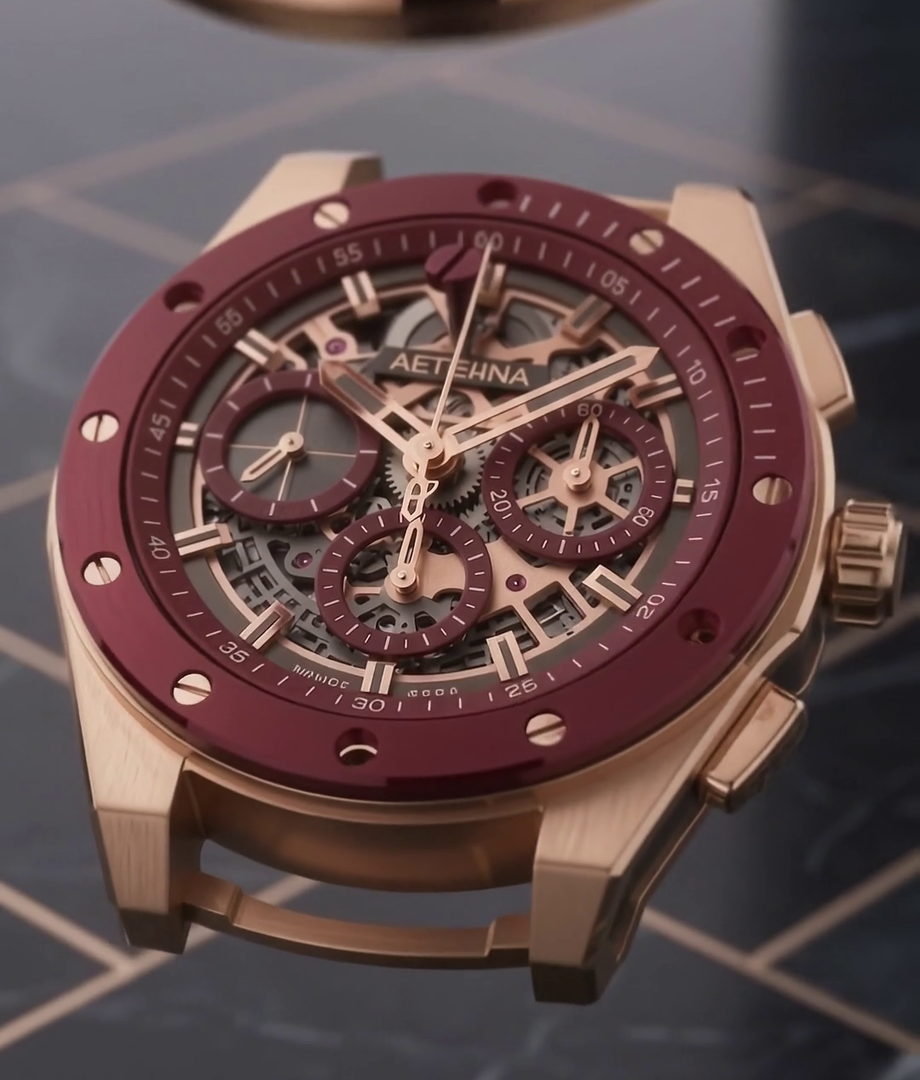
Owns the finishing. Thirty-one hours a movement: every bridge edge chamfered, the inward angles cut by hand because no machine cuts them, and the black polish taken to a mirror on surfaces nobody will see.
Bench four · 30 years
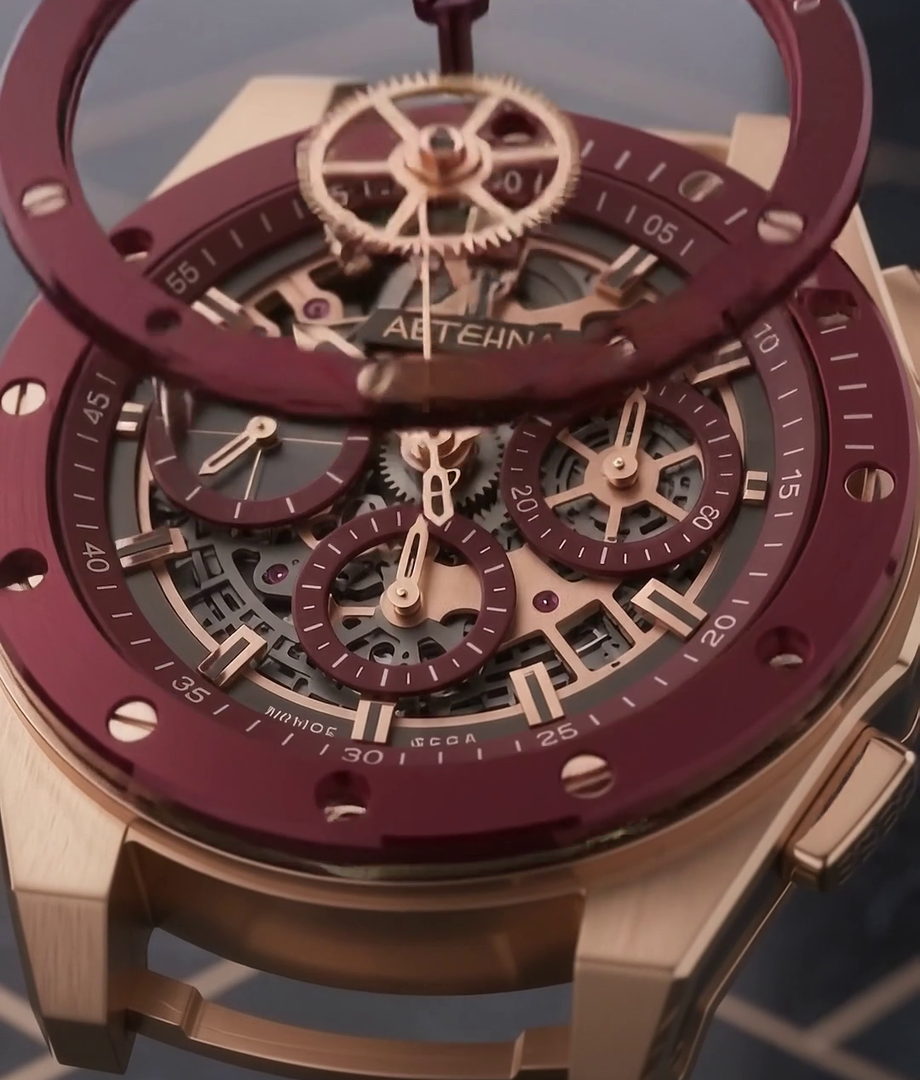
Owns the casing. Dial, hands, gaskets, crystal, and the pressure test to a hundred metres that every watch passes twice, once before the strap goes on and once after.
The register
Every Chronographe 312 carries a number from 001 to 312, and every number goes online the week the watch is delivered. You do not have to own one to read it.
The serial, the reference and its case, the dial colour, the initials of the watchmaker who assembled and signed the movement, the month the watch left Geneva, and every service since, with the date and the parts replaced.
Who owns the watch. We print an owner’s name only if they ask us to, and we take it out the day they ask us to stop. We do not publish what anyone paid, what a watch changed hands for, or which country it is in.
Provenance that lives on a certificate in a drawer stops working the moment the drawer is lost, and a serial nobody can check is not much of a serial. A watch offered for sale can be looked up in under a minute, and a number that is not in the register is not one of ours.
Three owners asked us not to publish, on the fair argument that a public list tells a forger which numbers are worth copying. We published anyway. A forger who copies a listed serial is copying a watch with a known assembler and a known service history, which is a harder lie to tell than a number out of thin air.
| Serial | Reference | Case | Assembled by | Delivered |
|---|---|---|---|---|
| No. 009 | Sovereign, AE-K01 | King gold | R. Tschumi | 2022 |
| No. 041 | Umber, AE-R02 | Rose gold | M. Achermann | 2023 |
| No. 106 | Frost, AE-T09 | Titanium | J. Ferreira | 2024 |
| No. 187 | Lagoon, AE-T05 | Titanium | S. Baumann | 2025 |
| No. 214 | Scarlet, AE-T01 | Titanium | R. Tschumi | 2026 |
Materials
No house makes every part of a watch, and the ones that say they do are counting differently. About sixty percent of the value of a Chronographe 312 is made inside the building. The rest comes from seven suppliers, six of whom we have used for more than ten years.
What is made here without exception: the finishing, the assembly, the adjustment, the casing and the signature. A movement is never sent out and brought back. If a bridge is chamfered badly it was chamfered badly at bench three, and Joaquim will say so before you have noticed.
Next
Twelve references are online with every specification and every photograph we have. If you would rather hold one, the workshop takes visitors Tuesday to Friday, one at a time, by appointment. There is nothing to buy on the day.
No reference matches “”.
Browse all twelve